
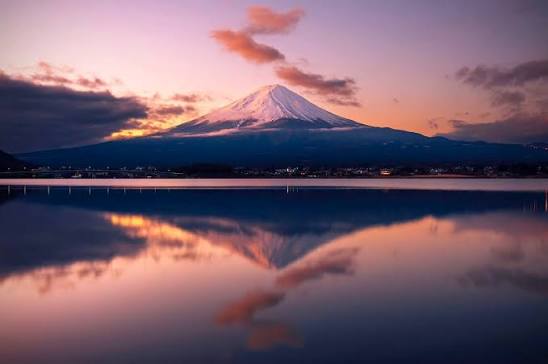
Everyone thinks climbing Fuji is a bucket-list photo op. You show up, you walk uphill for a while, you take a picture at the top. That’s not what it is.
Climbing Mount Fuji is a demanding challenge. It requires stamina, adaptability to altitude, and steady mental focus. The ascent from the 5th Station to the summit takes between 5 and 10 hours depending on the trail. It involves steep, uneven slopes of loose volcanic rock. The rules have also changed dramatically. The mountain is no longer a free-for-all. It’s regulated, gated, and in some sections requires booking weeks in advance. That’s a good thing. The version of Fuji where people arrived in sneakers and sandals at midnight and scrambled to the top half-delirious? That era is over. What’s left is a harder, more honest experience. It’s a genuinely extraordinary one if you go in prepared.
The Climbing Season
Early July to mid-September is the official climbing season. During this period the mountain is snow-free, weather is relatively mild, public transportation runs to the trailheads, and mountain huts are open. The official season dates are: Yoshida and Subashiri trails, July 1 to September 10; Fujinomiya and Gotemba trails, July 10 to September 10.
Peak season runs through the school vacation period, roughly July 20 to the end of August. The most crowded days are during Obon Week in mid-August and on Saturdays. On those days, queues form on the steeper passages.
The sweet spot: a weekday in early July before school breaks begin, or a weekday in early September when the summer crowds have thinned and conditions are still stable.
Outside the climbing season, mountain huts are closed, trails are not maintained, and snow may still be present. Weather becomes severe. In winter, Mount Fuji is a high-risk environment where even professional climbers regularly require rescue. Do not attempt it off-season. The mountain will not accommodate the improvisation.
The New Rules (Read These Before You Book Anything)
The rules that went into effect in 2025 represent the most significant overhaul in Mount Fuji’s climbing history, and they carry real consequences if you ignore them.
The Fee. As of the 2025 climbing season, all climbers on all four trails must pay ¥4,000 (~$27 USD) per person. This fee was doubled from the previous ¥2,000 on the Yoshida Trail and is now uniform across all routes. The fee funds trail maintenance, safety patrols, rescue operations, environmental conservation, and sanitation facilities. Climbers receive a wristband as proof of payment.
The Registration System. The Yoshida Trail requires advance online reservation through fujisan-climb.jp. The three Shizuoka trails require pre-registration through the FUJI NAVI app. Before you can pay for the Shizuoka trails, the app requires you to complete an e-learning module and pass a short safety test with every question correct.
The Gate. Gates on all trails close between 2 p.m. and 3 a.m. to discourage dangerous bullet climbing, where people push straight to the summit without rest and dramatically increase their risk of hypothermia and altitude sickness. If you have a mountain-hut reservation, you can pass through. Start earlier for safety regardless.
The Daily Cap. Yamanashi also imposes a daily 4,000-hiker limit on the Yoshida Trail. This limit was not reached on any day during the 2024 or 2025 climbing seasons, so it’s less of a practical constraint than it sounds. Pre-booking remains essential.
The Gear Check. All hikers on the Yoshida Trail are checked at the trailhead for three essential items: proper hiking boots, warm clothing, and rain gear. Hikers who are not adequately equipped may be denied access. A poncho alone is not sufficient. You need a separate waterproof jacket and waterproof trousers.
The Four Trails

Mount Fuji has four official climbing trails, and picking the wrong one will cost you hours of unnecessary suffering. All trails converge near the summit, but they start at different altitudes and differ sharply in length, terrain, and infrastructure.
Yoshida Trail (Yamanashi Prefecture). The default choice for most people, and for good reason. The Yoshida Trail starts at 2,305 meters on the mountain’s north side. It’s the easiest, best-supported, and most crowded of the four routes, handling about 59% of all Fuji climbers. The trail has 16 to 17 mountain huts, two staffed first-aid stations, and separate paths for ascent and descent. Direct buses run from Shinjuku (~2.5 hours, ~¥3,800 one way). Best for night climbing: the most huts, best-lit at night, faces east so you see the sunrise directly from the summit. Ascent: 5–7 hours. Descent: 3–4 hours.
Fujinomiya Trail (Shizuoka Prefecture). The Fujinomiya Trail is the shortest route to the summit, starting from the highest 5th Station on the mountain with an elevation gain of approximately 1,320m. Short means steep. The views of Suruga Bay and the Izu Peninsula are among the best on any trail. Ascent: 4–7 hours. Descent: 2–4 hours. Best suited to fit hikers who want efficiency over comfort. Ascent and descent share the same path, which creates bottlenecks in peak season.
Subashiri Trail (Shizuoka Prefecture). Subashiri offers strong sunrise positioning, a lower forested section that sets it apart from the barren volcanic upper slopes on other trails, and separate ascent and descent paths that merge with the Yoshida Trail near the summit. The forest section is genuinely beautiful. Ascent: 5–8 hours. A solid intermediate choice.
Gotemba Trail (Shizuoka Prefecture). The longest and most challenging trail, starting from the New 5th Station with an elevation gain of approximately 2,300m to the summit. Huts are sparse. What it offers in return is solitude and the Osuna Bashiri, a 5km descent through volcanic gravel that is the best descent on the mountain. Ascent: 7–10 hours. Suitable for experienced hikers who want to earn it. Buses from Gotemba Station to the 5th Station cost ¥1,280 one way and take about 30 minutes.
Picking the wrong trail will cost you hours of unnecessary suffering.
The Two-Day Plan: How to Actually Do This
Most first-time climbers should do this in two days. Here’s the structure that works.
Day 1: Tokyo to 5th Station to Mountain Hut. During climbing season, direct buses run from the Shinjuku Expressway Bus Terminal to the Fuji Subaru Line 5th Station. Tickets cost ¥3,800 one way and the trip takes about 2.5 hours. Book in advance at highway-buses.jp — they fill up on weekends.
Arrive at the 5th Station no later than 10am. Rest for at least 30 minutes to begin acclimatizing before you start climbing. Then move at a measured, steady pace. Keep it slow. Your goal for the afternoon is the 7th or 8th Station, where you’ll check into your mountain hut.
The best-organized hut booking resource for English speakers is japanmountainhuts.com. Mountain huts cost between ¥8,000 and ¥18,000 per person per night. Lower-elevation huts at the 7th Station run cheaper; 8th Station huts run higher. Prices typically include dinner and a breakfast pack.
Kamaiwakan sits at 2,790 meters at the 7th Station on the Yoshida Trail. Rebuilt in 2016, it’s the newest hut on the mountain and the only one bookable through the main reservation services that offers a private room option. It sells out. Book the moment reservations open in April or May.
Mountain huts are simple accommodations built for short naps. Expect shared sleeping quarters, thin sleeping bags, and lights-out around 8pm. This is not glamping. But a few hours of rest at altitude makes an enormous difference in how you feel at the summit.
Day 2: Summit Push, Sunrise, Descent. Leave the 5th Station by 7–8am on Day 1 to reach a hut by 4pm. For the summit push on Day 2, leave your hut around 1–2am to time your arrival at the top with gorai-ko, the sacred first sunrise.
The weather changes fast. Thunderstorms are common in the mid-afternoon. Even in mid-summer, the summit temperature sits between five and eight degrees Celsius. Layers and warm clothing are not optional. Begin descending after sunrise, before the afternoon clouds roll in. Visibility tends to be worse during the day, when the mountain is frequently wrapped in cloud.
Where to Eat and Drink
There are no restaurants on Mount Fuji. Mountain huts serve food, and that’s it above the 5th Station.
Hut meals are simple and expensive by sea-level standards. A bowl of ramen at the 8th Station runs ¥1,000–¥1,200. Curry rice is the other common option at roughly the same price. Drinks cost ¥500–¥700 for a can of something warm. Factor this into your budget.
The 5th Station has a handful of souvenir shops and small food stalls. Eat a proper meal at the base before you start climbing. Bring your own snacks for the ascent: compact, high-calorie options like onigiri, energy bars, and nuts. You will not want to rely solely on hut food.
In Kawaguchiko, the lakeside town has solid options for a post-climb meal. Mizunosato, the restaurant within the hotel of the same name, does a reliable set lunch and is a reasonable first stop after you come down.
The Hidden Gem: Ohachi Meguri (The Crater Walk)
Nearly every climber reaches the summit, takes a photo, and immediately starts descending. The ones who stay for Ohachi Meguri are the ones who actually remember the experience.
Ohachi Meguri is the walk around the rim of Fuji’s volcanic crater. The trail stretches roughly 3.8km and takes about 90 minutes to complete. Walking the full rim takes you past the entrances of all four trails and ultimately to Kengamine, Japan’s true highest point at 3,776 meters. From the Yoshida Trail summit, Kengamine is over 40 minutes away, which is why the majority of climbers never actually stand at Japan’s absolute apex.
The crater itself is approximately 500 meters wide and 250 meters deep. The path is exposed and winds across volcanic rock. It follows an ancient pilgrimage route once walked by Fujiko, the Edo-period religious groups who worshipped Mount Fuji.
At Kengamine, you’ll find a stone marker, a small shrine, a weather station, and the Mount Fuji Summit Post Office, which operates during climbing season from approximately 8:00 to 16:00, weather permitting. A letter postmarked from the summit of Fuji is worth the few minutes it takes to write one.
Do the crater walk. Build an extra 2 hours into your Day 2 plan. This is the part most people skip and most people regret skipping.
Where to Stay

Most climbers base themselves at Lake Kawaguchiko, the most developed of the five Fuji Five Lakes and the region’s transportation hub. The majority of hotels, guesthouses, and ryokan sit along the lakeshore or within a short walk of Kawaguchiko Station.
Budget. Guesthouses and small hotels around Kawaguchiko Station run ¥4,000–¥8,000 per person per night. Search on Booking.com and filter by proximity to Kawaguchiko Station for the widest selection.
Mid-range. Lakeland Hotel Mizunosato consistently earns strong reviews. It offers an outdoor onsen with direct mountain views and reliable Fuji sightlines from the upper-floor rooms. Rates run ¥15,000–¥25,000 per night. Book direct or through Booking.com.
Splurge. La Vista Fuji Kawaguchiko sits on a hill above the lake with most rooms facing the mountain and private hot spring baths available. Rates start around ¥30,000 per night and climb sharply in peak season. If the view matters to you, it’s worth it.
Justified splurge: Hoshinoya Fuji. Japan’s first glamping resort sits above Lake Kawaguchiko with luxury cabins, stellar Fuji views, and the kind of service that makes the ¥80,000+ per night rate feel considered rather than absurd. This is not for everyone. For those who want the mountain without the mud, it’s the right call.
Getting There
The main access point from Tokyo is the Fuji Subaru Line 5th Station on the Yoshida Trail, reached by direct bus from the Shinjuku Expressway Bus Terminal. Tickets cost ¥3,800 one way and the journey takes approximately 2.5 hours. Buy tickets in advance at highway-buses.jp. Weekend buses sell out weeks ahead during peak season.
For the Shizuoka trails, the access point is Fujinomiya Station (Fujinomiya Trail) or Gotemba Station (Gotemba and Subashiri trails), both reachable by JR limited express from Shinjuku or by the Shinkansen to Mishima followed by a local connection. Shuttle buses run from these stations to the respective 5th Stations during climbing season.
There is no train service to any of the 5th Stations. During peak season, private cars are prohibited from driving to the Fuji Subaru Line 5th Station. The bus is the only option, and that’s by design.
Getting Around
Kawaguchiko is the regional hub. From Kawaguchiko Station, the Fujikyuko Retro Bus runs a loop around the lake and connects to the main sightseeing spots. A one-day pass costs ¥1,000 and is worth it if you’re spending a full day pre- or post-climb around the lakes.
Rental bicycles are available at several shops near the station for roughly ¥1,500–¥2,000 per day. The lake loop is flat and manageable. It’s a good way to spend the recovery day after the descent.
Taxis exist but are expensive by Tokyo standards. A ride from Kawaguchiko Station to a lakeside hotel rarely costs under ¥2,000. For longer transfers, the bus is the practical choice.
Gear and Preparation
Weather on Mount Fuji changes quickly. Temperatures near the summit can drop below freezing, even in summer. This is not a hill walk. It requires proper kit.
The essential gear list: layered clothing, a waterproof jacket, waterproof trousers, gloves, sturdy hiking boots with ankle support, a down jacket for the summit, trekking poles (strongly recommended for the descent on loose volcanic rock), a headlamp with extra batteries, high-calorie snacks, and at least 2 liters of water.
On altitude sickness: at nearly 3,776 meters, the risk is real, especially if you’re ascending quickly from sea level. Break the climb into two days. Sleep at a hut around 3,000 meters (the 7th or 8th Station). Go slow. If symptoms worsen, descend. There’s no heroism in pushing through altitude sickness on an active volcano.
Check the mountain-specific weather forecast before you go. Windy.com shows hourly wind forecasts by altitude. Tenki.jp publishes a Fuji-specific mountain weather forecast that is more reliable than a general regional forecast.
What to Skip
Climbing off-season. The trails are not maintained, huts are closed, food is unavailable, and the weather can be genuinely perilous: extreme wind, ice, and avalanche risk are all present. This claim comes up every autumn when someone reads that the trails are technically accessible. They are not safely accessible. The Yamanashi Prefecture rescue teams spend a disproportionate share of their winter responding to calls from people who underestimated this.
Bullet climbing. Going straight from base to summit in a single overnight push without sleeping at altitude is exactly what the new gate rules are designed to stop. There’s a reason. The combination of sleep deprivation, rapid altitude gain, and cold is the primary driver of rescues on Fuji. Two days costs you one extra night’s accommodation. That’s the trade.
The 5th Station souvenir trap. The Fuji Subaru Line 5th Station has a large souvenir complex. It’s tempting. Skip it on the way up, or at least don’t buy anything heavy. You’re about to carry everything you purchase up several thousand feet of volcanic rock.
Cheap rain gear. A ¥500 convenience store poncho will not protect you at altitude in wind. Budget for proper waterproof kit before you arrive. Gear rentals are available at the 5th Station if you’re caught underprepared, but they’re expensive and the selection is limited.
Budget Summary
Here’s what a realistic two-day Fuji climb costs from Tokyo, per person.
| Expense | Budget Option | Mid-Range | Splurge |
|---|---|---|---|
| Bus (Shinjuku to 5th Station, return) | ¥7,600 | ¥7,600 | ¥7,600 |
| Climbing fee (all trails) | ¥4,000 | ¥4,000 | ¥4,000 |
| Mountain hut (1 night, incl. meals) | ¥8,000 | ¥13,000 | ¥18,000 |
| Food and drinks on mountain | ¥2,000 | ¥3,500 | ¥5,000 |
| Accommodation in Kawaguchiko (1 night) | ¥4,000 | ¥15,000 | ¥80,000+ |
| Gear (if purchasing basics) | ¥5,000 | ¥15,000 | ¥30,000+ |
| Estimated Total | ~¥30,600 | ~¥58,100 | ¥144,600+ |
Gear costs are one-time. If you already own hiking boots and a rain jacket, the budget option drops to roughly ¥25,000. The climb itself is not cheap, but most of the cost is front-loaded into the mountain hut and the bus.
Mount Fuji Travel Tips
Book the mountain hut the moment reservations open in April or May. Kamaiwakan on the Yoshida Trail opens bookings in spring and the private rooms go within days. If you want a specific hut on a specific date in July or August, April is not too early.
Register for the trail before you arrive. The Yoshida Trail requires advance reservation through fujisan-climb.jp. The Shizuoka trails require the FUJI NAVI app. Complete the e-learning module before you board your flight. You cannot do this at the trailhead.
Carry cash. Mountain huts operate in cash only. ATMs do not exist above the 5th Station. Bring at least ¥5,000 in small bills above what you expect to spend.
Trekking poles are worth the inconvenience of carrying them. The descent on loose volcanic rock is hard on the knees. Poles cut descent time and significantly reduce the day-after soreness. Rental poles are available at the 5th Station for roughly ¥1,000–¥1,500.
Check the forecast the night before on Windy.com and Tenki.jp. Wind at the summit can exceed 50km/h even on days that look clear at the base. A calm lake does not mean a calm summit. If the forecast shows sustained high winds, consider shifting your summit push by a day.
The Yoshida Trail descent path is separate from the ascent path and is well-marked. Follow the signs. Every year, a handful of climbers miss the descent path turnoff and end up back on the ascent route, adding an hour to an already long day.
Frequently Asked Questions
Do I need a guide to climb Mount Fuji? No. The trails are clearly marked and well-traveled during the season. Most people climb independently. That said, guided tours handle logistics including hut reservations, transportation, and group pacing, which removes significant planning stress for first-timers. GetYourGuide lists licensed operators with English-speaking guides.
How fit do I need to be? Reasonably fit, not elite. If you can walk for several hours without difficulty and handle stairs without stopping, you can climb Fuji. The challenge is altitude and duration, not technical difficulty. Two-day timing and a slow pace are more important than fitness level.
Which trail is best for seeing the sunrise? The Yoshida Trail faces east and offers the most direct sunrise view from the summit. The Subashiri Trail is also well-positioned. The Fujinomiya Trail faces southwest and offers the least dramatic sunrise angle.
What is the Ohachi Meguri? The crater rim walk at the summit of Mount Fuji, roughly 3.8km and 90 minutes. It leads to Kengamine, the true highest point of Japan at 3,776 meters. The view from the rim, looking down into the crater on one side and across a sea of clouds on the other, is the best thing about climbing Fuji. Most people skip it. Don’t.
Can I climb Fuji for free? No, not on any official trail. The ¥4,000 climbing fee is mandatory on all four routes as of 2025. Attempting to bypass the fee checkpoint is not a realistic option. Budget for it.
Planning another big trip? The Out of Manhattan guides to Chiang Mai, Bali, and the American Southwest follow the same principle: do the research properly so the trip doesn’t disappoint. Send questions to the address in the footer.
Leave a Reply